 Clear Cache

Waste Management Awareness Session on 2nd October 2024, in alliance with the Faculty Club at NIT Calicut
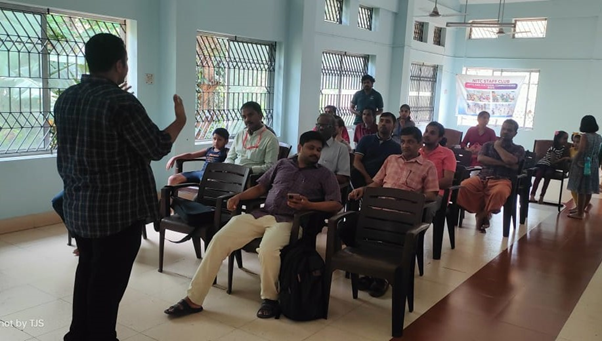
The Centre for Clean Energy and Circular Economy has conducted a programme on Waste Management Awareness Session on 2nd October 2024, 11.00 – 12.00 noon in alliance with the Faculty Club at NIT Calicut. The programme was provided to the residents of NIT Calicut. The programme was conducted by Green Worms, and NGO, that is responsible for collecting the waste generation at NIT Calicut. They explained about the critical aspect of waste management on environmental sustainability, particularly concerning plastics and food waste. As global populations grow and consumption patterns change, effective strategies for managing these waste types are essential to minimize their environmental impact. The described about the various forms of plastics:
-
Single-use plastics: Bottles, bags, straws, and packaging.
-
Microplastics: Tiny plastic particles resulting from the breakdown of larger plastics.
-
Green worms discussed about the following various strategies on minimising food/plastic wastage.
-
Reduction at Source
-
Awareness Campaigns
-
Also, they discussed about the segregation of different waste materials generated in the house holds and the methods to dispose it.
-
Utilize separate bins for different types of waste: recyclables, organic waste, hazardous waste, and general waste. Clearly label each bin for proper identification.
-
Implement waste segregation protocols, providing training on how to sort waste properly.
-
Conduct community outreach programs to raise awareness about the importance of waste segregation and the impact of improper waste disposal.
-
Use signage and instruction materials to inform the public about what items belong in each bin.
-
Increase public awareness and education on waste reduction techniques.
-
Use of used cloths to something useful for the society like mats, arts, etc.
-
Promote collaboration among stakeholders, including government, industry, and community organizations, to develop integrated waste management solutions.
-
Support innovation in biodegradable materials and recycling technologies.
-
Encourage policy frameworks that legislate against single-use plastics.